
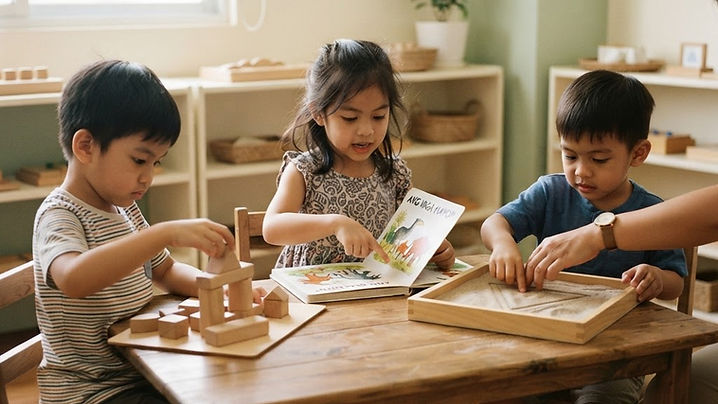
From the outside, guessing looks like reading. The child says words out loud, and many of them are correct. But inside, something different is happening: the child is using the picture and the first letter to predict the word, instead of sounding it out. It works — until the books get longer and the pictures get fewer.
Five signs to watch for at home
- They swap similar-looking words. "Horse" becomes "house", "from" becomes "for". The sentence still makes sense, so it goes unnoticed.
- They freeze on new words. A word they have never memorized stops them completely, because there is no strategy for working it out.
- Reading speed drops as books get longer. Guessing is exhausting. The child starts strong and fades by the second page.
- They avoid reading aloud. Children who guess know, quietly, that they might be wrong — so they say "you read it" or wait for someone else.
- They say "I'm not good at reading". This sentence is the clearest sign of all, and it is reason enough for a free assessment.
Why guessing matters more in Grade 2 and beyond
In the early grades, books have pictures and repeating patterns, so guessing is rewarded. Later, the pictures disappear and the words get longer — Science, Araling Panlipunan, written instructions. A guesser has no way in, and the gap grows every year it is left alone.
What fixes it
Sounding out is a skill, not a talent. It is rebuilt from phonics and blending, step by step, by a teacher who hears every stumble the day it happens. That is exactly what we do in our Growing Readers group for ages 6 and up, three children at a time.

